Business Name: BeeHive Homes of Portales
Address: 1420 S Main Ave, Portales, NM 88130
Phone: (505) 591-7025
BeeHive Homes of Portales
Beehive Homes of Portales assisted living is ideal for those who value their independence but require help with some of the activities of daily living. Residents enjoy 24-hour support, private bedrooms with baths, medication monitoring, home-cooked meals, housekeeping and laundry services, social activities and outings, and daily physical and mental exercise opportunities. Beehive Homes memory care services accommodates the growing number of seniors affected by memory loss and dementia. Beehive Homes offers respite (short-term) care for your loved one should the need arise. Whether help is needed after a surgery or illness, for vacation coverage, or just a break from the routine, respite care provides you peace of mind for any length of stay.
1420 S Main Ave, Portales, NM 88130
Business Hours
Monday thru Sunday: 9:00am to 5:00pm
TikTok: https://tiktok.com/@beehive.home.of.portales
YouTube: https://www.youtube.com/@WelcomeHomeBeeHiveHomes
Facebook: https://www.facebook.com/BeeHiveHomesOfPortales
Instagram: https://www.instagram.com/beehivehomesofportales/
When a moms and dad begins to lose familiar items of themselves, households frequently feel like they are staying in two timelines at once. There is the parent you grew up with, the one that prepared holidays and dealt with dripping taps, and there is the moms and dad that repeats a question three times in one hour or gets lost strolling a block from home. That dissonance is hard. It asks for patience, yes, however likewise for sensible systems, truthful conversations, and, at times, expert help. Memory Care, Aided Living, and more comprehensive Senior Treatment services can be perplexing to browse. The purpose below is not just to clarify your choices yet to share what tends to work in real homes with real people.
Seeing the indications without losing your bearings
The onset hardly ever feel remarkable. You notice misplaced things in improbable places, a missed expense, a burned pan. You chalk it approximately age or distraction till a pattern arises. The medical world describes distinct phases of cognitive decline, but families commonly see collections of modifications. One mommy who managed 3 checking account perfectly for decades all of a sudden dropped victim to "grandparent rip-offs" because the caller discussed her grand son by name. A papa who enjoyed lengthy drives started avoiding the highway for no clear factor, then began hesitating at basic intersections.
Two truths aid now. First, the household's observations matter as long as the five-minute cognitive screen at a center. Keep quick notes over a few weeks. Patterns convince physicians to look much deeper and aid you understand what to check. Second, the person you love might really feel frightened or embarrassed. Come close to the conversation like a collaboration: "I've discovered a couple of points, and I wish to make it much easier for both of us." Regard protects trust fund, and depend on makes every little thing else easier.
Getting a genuine diagnosis is an act of care
Dementia is an umbrella term, not a solitary condition. Alzheimer's condition, Lewy body mental deterioration, vascular modifications after strokes, and frontotemporal disorders all impact believing, yet they do not reply to the same strategies or medications. Even state of mind disorders, thyroid concerns, rest apnea, and drug effects can mimic amnesia. An appropriate workup generally includes laboratory tests, a medicine testimonial, cognitive screening, and in some cases brain imaging. Promote this. Families occasionally postpone because they are afraid the tag, yet delays cost possibilities to plan while your parent can still participate.
An expert will additionally assess safety dangers that are not evident from the outside. For example, a parent that scores well on short examinations may still have impaired judgment that makes driving or managing finances dangerous. The most effective clinicians will certainly convert searchings for right into practical recommendations: simplify the pillbox, mount a cooktop knob cover, include a call-blocking device.
Setting up the home like a supportive teammate
Homes can either annoy or help a person with mental deterioration. The goal is to reduce cognitive lots. That does not suggest transforming your home right into a healthcare facility. It implies organizing things so success is likely and stress is minimal.
Keep high-value items, such as keys, pocketbook, glasses, and listening devices, in one noticeable location. A straightforward tray by the door defeats a thousand agitated searches. Identifying closet doors works much better than you would certainly think, also for somebody that urges they do not require it. Assume big font and plain language: "Plates," "Cups," "Tea." Excellent lighting soothes agitation and restrictions falls. Swap dark yellow light bulbs with brilliant, cozy LEDs and include motion-sensing night-lights in the hall and restroom. Remove trip dangers, unknown extra doors if straying is a worry, and position a comfortable chair by a window with something to enjoy: birds, the street, a garden. Activity beats inactivity, and a view welcomes interaction without demands.
Medication monitoring deserves its very own plan. If your parent makes use of more than 3 everyday medications, a regular blister pack from the drug store or a locked dispenser with alarm systems can prevent double application. I have seen proud designers who withstood any type of "gizmo" become devoted to a dispenser once they realized it protected their independence.
Food is the various other everyday pinch point. Supply basic, nourishing selections that require marginal steps. Pre-made soups, reduced fruit, yogurt, cheese sticks, and icy vegetables are not glamorous, but they reduce choice fatigue. If fat burning becomes an issue, accept cherished foods that might not be suitable theoretically. An inside story of gelato during the night typically delivers calories, convenience, and a reason to rest together.
Communication that meets the mind where it is
You can not say somebody out of dementia, and attempting usually turns a five-minute task into a forty-minute problem. The method is to enable the feeling to be legitimate while guiding towards safety and security. If your mommy wishes to "go home," she might be missing out on the sensation of home, not a certain address. Rather than saying, "You are currently home," try, "Inform me what you miss concerning your home," then supply something that evokes the very same sensation, like a preferred covering or family photo. If a dad implicates you of moving his purse, avoid protecting on your own at length. Deal to help him look, inspect the usual spots, and position a similar pocketbook in the assigned tray for next time.
Keep sentences short and favorable. Change "Don't do that" with "Let's shot this." Make eye get in touch with, and strategy from the front. In my experience, asking one concern at a time and quiting to ten secs for a feedback lowers disappointment for both of you. When tempers rise, altering the scene works better than pressing through. A walk on the patio can reset the mood.
The invisible work of caregivers
People undervalue the cognitive labor of caregiving. You are running a second brain along with your own: appointments, refills, mood tracking, laundry, mail, and supervision. Include job, youngsters, and your own health and wellness, and it is not a surprise caregivers burn out. I often encourage families to do a straightforward time audit for two weeks. Count hours invested in straight treatment, transport, telephone call, and the little jobs that always pop up. The number usually shocks individuals. It likewise helps validate outside aid to brother or sisters that live far or to a moms and dad who resists change.
Caregiver exhaustion appears as irritability, lapse of memory, and animosity, not since you like much less, however since the container is vacant. Build a regimen that includes your oxygen mask. Also thirty minutes of protected time most days, scheduled like an appointment, is not selfish, it is crucial. If guilt nags at you, bear in mind that sustainable treatment generates much better outcomes than brave sprints followed by collapse.

When to think about aid at home
Bringing in assistance does not imply you failed. It means you understand the math of time and security. Home care aides can cover bathing, dressing, meals, and friendship. The skill level issues. Some agencies concentrate on Memory Care methods, educating staff to reroute, hint, and preserve self-respect. If your parent withstands "a stranger," present the aide as a maid or "a person to help me with a few things" and be present throughout the very first brows through. Count on takes repetition.
Two practical suggestions make home support a lot more reliable. First, develop an everyday rhythm. Dementia prospers on predictability. Second, offer assistants a brief "concerning me" card for your parent. Include former occupation, favorite songs, foods, hobbies, and words that accurately calm them. A Beatles playlist or a brief photo album can transform a rocky early morning into a great one.
Assisted Living and Memory Treatment options, demystified
Families typically begin with Helped Living because it seems mild, and for the ideal individual it can be. Assisted Living gives dishes, housekeeping, medicine tips, and some personal care. Homeowners live in apartment-style suites and retain numerous liberties. If your parent still understands safety instructions and can navigate a building with easy triggers, Assisted Living can extend self-reliance and reduce isolation.
Memory Care neighborhoods, occasionally within larger Elder Treatment universities, include specialized staffing and layout. Believe circular strolling paths that prevent stumbling blocks, shade signs to distinguish areas, safeguarded yards, and personnel learnt dementia-specific interaction. Activities shift from lecture-style events to sensory and hands-on experiences. I have watched retired teachers illuminate as they "instruct" a tiny group of peers, guided by a recreation therapist who knows exactly how to funnel purpose.
Choosing in between Assisted Living for a moms and dad and dedicated memory look after parents has less to do with the name and even more to do with your parent's needs. Take into consideration just how your moms and dad manages the following: wayfinding, personal hygiene without prompting, medication conformity, evening roaming, and exit-seeking. If you are getting regular calls regarding confusion or if your parent comes to be troubled in larger, much less organized setups, Memory Care commonly fits far better, also if it feels like a bigger step.
What high-grade Memory Care looks like
You can discover a great deal from a 45-minute tour if you concentrate on the appropriate details. Enjoy interactions in between personnel and homeowners. Do personnel crouch to eye level, usage homeowners' favored names, and wait for responses? Are locals participated in meaningful tasks or gathered around a television that nobody enjoys? Smell matters. Occasional smells occur, yet a relentless scent recommends understaffing or inadequate regimens. Ask about staffing proportions by change, not simply daytime staffing, and concerning period. An unit with several seasoned caretakers generally signifies a healthy and balanced culture.
Menus reveal self-respect. Do they adapt appearances without making the plate feel childlike? Finger foods can be both dignified and efficient for someone who fights with utensils. Security policies need to be solid yet not punitive. Ask exactly how they take care of exit-seeking, sundowning, and acute frustration. Pay attention for language that appreciates resident autonomy while preserving safety.
Activities ought to align with the stages of mental deterioration. Early-stage locals may enjoy book clubs or volunteer projects inside the neighborhood. Later phases gain from sensory terminals, music treatment, and short, success-focused jobs. Family members participation is one more proxy for high quality. Neighborhoods that invite family members to sign up with programs, hold honest treatment strategy conferences, and respond rapidly to worries tend to sustain better transitions.
Money talk without euphemism
Care is costly, and the sticker label shock can paralyze decision-making. Home treatment agency prices frequently vary by area but commonly drop between 28 and 42 dollars per hour. Even 8 hours a day builds up promptly. Assisted Living month-to-month costs usually start in the mid- to high-3000s and climb with care demands. Memory Care generally costs even more due to greater staffing and safe and secure atmospheres, typically touchdown in the 5000 to 8500 buck variety monthly, once more relying on location and degree of care.
Long-term care insurance policy helps if your moms and dad has it, but plans vary commonly. Review the removal duration, daily optimum, covered solutions, and advantage size. Some policies pay only for qualified centers, some for home care also. Professionals with certifying service and restricted properties might be eligible for Help and Participation benefits. Medicaid can money long-lasting take care of those that meet financial and medical requirements, however accessibility of Memory Treatment beds and home assistance programs varies by state.
Create a three-column strategy: best instance, potential situation, and backup. The most effective situation may be home with limited aid for 2 years, after that Helped Living. The likely case may be home assistance for a year, after that Memory Care as requirements increase. The backup addresses unexpected a hospital stay or behavior modifications that require a quicker change. Clear numbers lower worry, and fear left unaddressed makes conflicts fester.
Keeping family dynamics from steaming over
Siblings bring various memories, thresholds for threat, and monetary truths. One might live 10 minutes away and does the daily work. One more lives throughout the country and intends to be included however battles to see the everyday. Resentments flare when roles and assumptions are blurry. Set up regular household check-ins. Brief and regular beats long and rare. The program should include what is working, what is not, what decisions are pending, and who will do what before the following call. Keep a shared paper for updates. If conversations stall, a neutral 3rd party, such as a social worker or treatment supervisor, can aid you discover usual ground.
A useful and humane approach is to match jobs to strengths. The spreadsheet-loving sibling can manage bills and insurance. The nearby brother or sister concentrates on clinical visits and grocery stores. A 3rd brother or sister collaborates respite weekends. If somebody can not offer time, they might add funds for home care hours or cleaning solutions. Contributions do not require to be equivalent, yet they need to be acknowledged.
Preserving identity in tiny, stable ways
Dementia can squash a person's identification if you allow the illness set every schedule. Withstand that. Pull forward the parts of your moms and dad that brought them delight. If your papa educated you woodworking, provide him risk-free sanding jobs. If your mom enjoyed choir, play the hymns she loved, even if words thwart her. Music typically gets to areas language no more can. Scents do also. The odor of cinnamon rolls or fresh coffee can soften late-afternoon agitation.
Conversations still matter, even when memory falters. Inquire about feelings instead of realities. Facts slip, however sensations stick around. "Just how did you feel when you lived by the ocean?" invites a smile where "What year did you move there?" may frustrate. Publish a couple of photos with transcribed captions, and revolve them on the refrigerator. The responsive act of transforming a picture in the hand typically stimulates connection.
Medical companions that make a difference
Primary treatment suppliers anchor the medical side, yet professionals in geriatrics, neurology, or senior citizen psychiatry include nuance. A geriatrician will balance medicines with an eye to adverse effects that more youthful patients seldom experience. Anticholinergic medications, as an example, can intensify confusion. Sleep drugs might increase falls. Non-drug approaches, like timed brilliant light or structured daytime task, occasionally outperform tablets for sundowning.
Behavioral signs need a customized plan. Anxiety frequently has a trigger: discomfort, bowel irregularity, hunger, too much noise, or boredom. Observing and recording patterns assists. If medications are needed, use the lowest reliable dose and reassess consistently. I have actually seen families accept a sedating medicine as long-term when the situation that motivated it had actually transformed months before.
Hospice is not surrendering; it is a change in goals when the disease enters its final stage. For advanced mental deterioration, hospice can bring a nurse, an assistant, and a social worker to the home or facility, concentrating on comfort and lowering unnecessary health center trips. Lots of families wish they had actually involved hospice earlier. The extra assistance can maintain both the client and the worn down caregiver.
Two short checklists that help when choices feel heavy
- Signs that it may be time to relocate from home or Helped Living to Memory Treatment: Increasing exit-seeking or straying in spite of security measures Weight loss, dehydration, or repeated infections because of missed out on care Escalating frustration that bewilders current supports Nighttime wakefulness that exhausts the household Frequent calls concerning confusion or occurrences the present setting can not manage What to ask on a Memory Treatment scenic tour: Staffing ratios by change and typical team tenure on the unit How care plans are produced, updated, and connected to families Approach to behavior symptoms and non-drug interventions Specific day-to-day task framework, not just a calendar handout Policies on medical emergencies, hospitalizations, and end-of-life care
Planning for the center miles
Early on, you think of medical diagnosis. Late in the disease, you think about comfort and heritage. The longest stretch, the center miles, is where regimens and little modifications build up. Develop an once a week theme that balances quiet and interaction. Mondays may be laundry and a preferred television show, Tuesdays a short getaway to a café, Wednesdays home physical therapy exercises, Thursdays a songs hour, Fridays a family supper. Predictability reduces anxiety. Adaptability keeps it humane.
Expect plateaus and dips. After an ailment or hospitalization, cognition typically worsens. Provide it time. Recuperation might be partial, yet thoughtful rehabilitation, better sleep, and returned to routines can lift feature greater than you expect. Screen for caregiver strain as actively as you check your moms and dad's signs. An organized reprieve weekend break every two months can prevent an unplanned crisis.
Honoring autonomy while safeguarding safety
Dignity stays in the selections left to us. For a moms and dad with mental deterioration, you can preserve autonomy by using regulated selections that are safe. 2 shirts to select from rather than a complete closet. A couple of lunch options as opposed to an empty concern. Involve them in tasks with a beginning and end: folding towels, watering plants, sorting coins. The objective is not efficiency. It is the human fulfillment of contribution.
There will certainly be moments you have to say no. Driving is the hardest for several families. If you can, involve the physician, who can provide a formal driving assessment referral. Offer choices right away: trips with family, rideshare present cards, or community transport. Frame the adjustment as a shared adjustment. "The roadways have actually altered so much. Allow me drive and you be my navigator." Individuals approve loss a lot more quickly when they still feel useful.
Grief that walks next to you
Anticipatory grief is a peaceful buddy in dementia care. You mourn little losses long prior to the final bye-bye. That pain deserves space. Some families find comfort in memory journals. Others in support system where they can speak without responding to social details. Professional therapy aids when regret or resentment clouds the weeks. Routines can likewise suffer you: a nighttime cup of tea after your parent rests, a weekly walk with senior care beehivehomes.com a friend, a playlist for the drive home from the facility.
Do not undervalue happiness. Giggling still sees. A mischievous remark, a completely peeled orange, the way your mommy's hand discovers yours in a congested hallway. These minutes do not terminate the tough components, but they make a manageable mosaic.
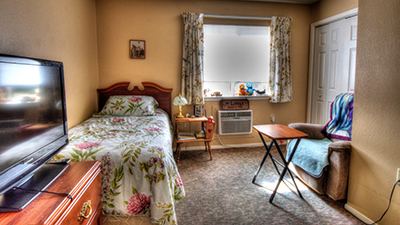
When the choice still really feels impossible
If you are stuck in between home care, Assisted Living, or Memory Care, walk the situation ahead 90 days. What would certainly success appear like? What indications would certainly tell you the strategy is failing? Place those markers theoretically. Share them with siblings and, when possible, with your parent. Then dedicate to a trial duration. A two-month home care trial at particular hours, or a temporary stay in Assisted Living with a specified assessment day, provides you data as opposed to conjecture. The majority of households feel more clear after they see just how their parent responds.
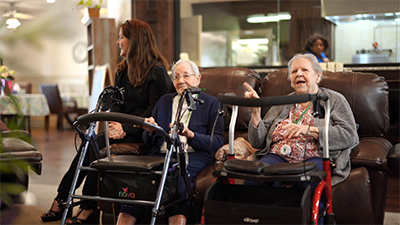
In completion, sustaining a parent with mental deterioration is about matching love with structure. It is sensible, tender, often unpleasant work. Utilize the tools close at hand: a better-lit hallway, a simplified medicine system, a next-door neighbor that can rest for an hour on Tuesdays, a Memory Treatment community that treats your moms and dad in its entirety individual. The landscape of Senior Care and Senior Treatment is broad, yet you do not have to map everything simultaneously. Take the next appropriate step, after that the next. With time, those actions amount to a life that is safer, calmer, and still deeply human.
BeeHive Homes of Portales provides assisted living care
BeeHive Homes of Portales provides memory care services
BeeHive Homes of Portales provides respite care services
BeeHive Homes of Portales supports assistance with bathing and grooming
BeeHive Homes of Portales offers private bedrooms with private bathrooms
BeeHive Homes of Portales provides medication monitoring and documentation
BeeHive Homes of Portales serves dietitian-approved meals
BeeHive Homes of Portales provides housekeeping services
BeeHive Homes of Portales provides laundry services
BeeHive Homes of Portales offers community dining and social engagement activities
BeeHive Homes of Portales features life enrichment activities
BeeHive Homes of Portales supports personal care assistance during meals and daily routines
BeeHive Homes of Portales promotes frequent physical and mental exercise opportunities
BeeHive Homes of Portales provides a home-like residential environment
BeeHive Homes of Portales creates customized care plans as residents’ needs change
BeeHive Homes of Portales assesses individual resident care needs
BeeHive Homes of Portales accepts private pay and long-term care insurance
BeeHive Homes of Portales assists qualified veterans with Aid and Attendance benefits
BeeHive Homes of Portales encourages meaningful resident-to-staff relationships
BeeHive Homes of Portales delivers compassionate, attentive senior care focused on dignity and comfort
BeeHive Homes of Portales has a phone number of (505) 591-7025
BeeHive Homes of Portales has an address of 1420 S Main Ave, Portales, NM 88130
BeeHive Homes of Portales has a website https://beehivehomes.com/locations/portales/
BeeHive Homes of Portales has Google Maps listing https://maps.app.goo.gl/1xZDfURp3wt4uv3T6
BeeHive Homes of Portales has TikTok page https://tiktok.com/@beehive.home.of.portales
BeeHive Homes of Portales has an YouTube page https://www.youtube.com/@WelcomeHomeBeeHiveHomes
BeeHive Homes of Portales has Facebook page https://www.facebook.com/BeeHiveHomesOfPortales
BeeHive Homes of Portales has Instagram page https://www.instagram.com/beehivehomesofportales/
BeeHive Homes of Portales won Top Assisted Living Homes 2025
BeeHive Homes of Portales earned Best Customer Service Award 2024
BeeHive Homes of Portales placed 1st for New Mexico Senior Living Communities 2025
People Also Ask about BeeHive Homes of Portales
What is BeeHive Homes of Portales Living monthly room rate?
The rate depends on the level of care that is needed. We do a pre-admission evaluation for each resident to determine the level of care needed. The monthly rate is based on this evaluation. There are no hidden costs or fees
Can residents stay in BeeHive Homes of Portales until the end of their life?
Usually yes. There are exceptions, such as when there are safety issues with the resident, or they need 24 hour skilled nursing services
Do we have a nurse on staff?
No, but each BeeHive Home has a consulting Nurse available 24 – 7. if nursing services are needed, a doctor can order home health to come into the home
What are BeeHive Homes of Portales's visiting hours?
Visiting hours are adjusted to accommodate the families and the resident’s needs… just not too early or too late
Do we have couple’s rooms available?
Yes, each home has rooms designed to accommodate couples. Please ask about the availability of these rooms
Where is BeeHive Homes of Portales located?
BeeHive Homes of Portales is conveniently located at 1420 S Main Ave, Portales, NM 88130. You can easily find directions on Google Maps or call at (505) 591-7025 Monday through Sunday 9:00am to 5:00pm
How can I contact BeeHive Homes of Portales?
You can contact BeeHive Homes of Portales by phone at: (505) 591-7025, visit their website at https://beehivehomes.com/locations/portales/ or connect on social media via TikTok Facebook or YouTube
You might take a short drive to the Blackwater Draw Museum. The Blackwater Draw Museum offers fascinating archaeological exhibits that create enriching outings for assisted living, memory care, senior care, elderly care, and respite care residents.